Woodland Passage
Set within a quiet wooded landscape, Woodland Passage emerged from the desire to create a deeper relationship between the home and the surrounding terrain. While the newly constructed residence rested naturally within the forest, the exterior environment remained largely undefined — steep grades extended beyond the rear of the home, and broad expanses of sod offered little connection to the character of the site itself.
The vision for the project was not to impose a formal garden onto the woodland, but to shape an experience that felt discovered within it. The landscape was conceived as a gradual passage through stone, water, planting, and sculpture — inviting movement, reflection, and moments of quiet surprise throughout the property.
A natural flagstone terrace was carefully composed using irregular joint spacing that allowed planting material to emerge organically through the hardscape, softening the transition between architecture and landscape. Beyond the terrace, the garden unfolds through layered planting compositions and carefully choreographed sightlines that guide the eye outward into the surrounding woods.
At the heart of the experience is a waterfall feature positioned to engage both sound and perspective. The movement of water creates a continuous atmospheric presence along the screened porch while serving as a visual anchor from within the home and throughout the approach to the garden. Rather than functioning as a singular object, the feature becomes part of the sensory fabric of the landscape itself.
Plant selections were curated to reinforce the woodland character of the site. Evergreen anchors establish permanence and structure throughout the seasons, while flowering varieties introduce restrained moments of color and seasonal change. Along the woodland edge, ornamental apple trees were integrated as subtle experiential elements — creating the unexpected pleasure of discovering fruit quietly embedded within the landscape.
Integral to the identity of Woodland Passage is a collection of sculptural stone figures thoughtfully placed throughout the garden. Emerging from planting masses, resting beside pathways, or partially concealed within the woodland edge, the pieces create intimate moments of encounter as one moves through the landscape. Their placement transforms the garden into something beyond a static composition — a landscape intended to be explored slowly and experienced over time.
The result is an environment that dissolves the boundary between home and woodland — where architecture, terrain, water, and sculpture coexist in a landscape that feels timeless, immersive, and deeply rooted within its natural setting.
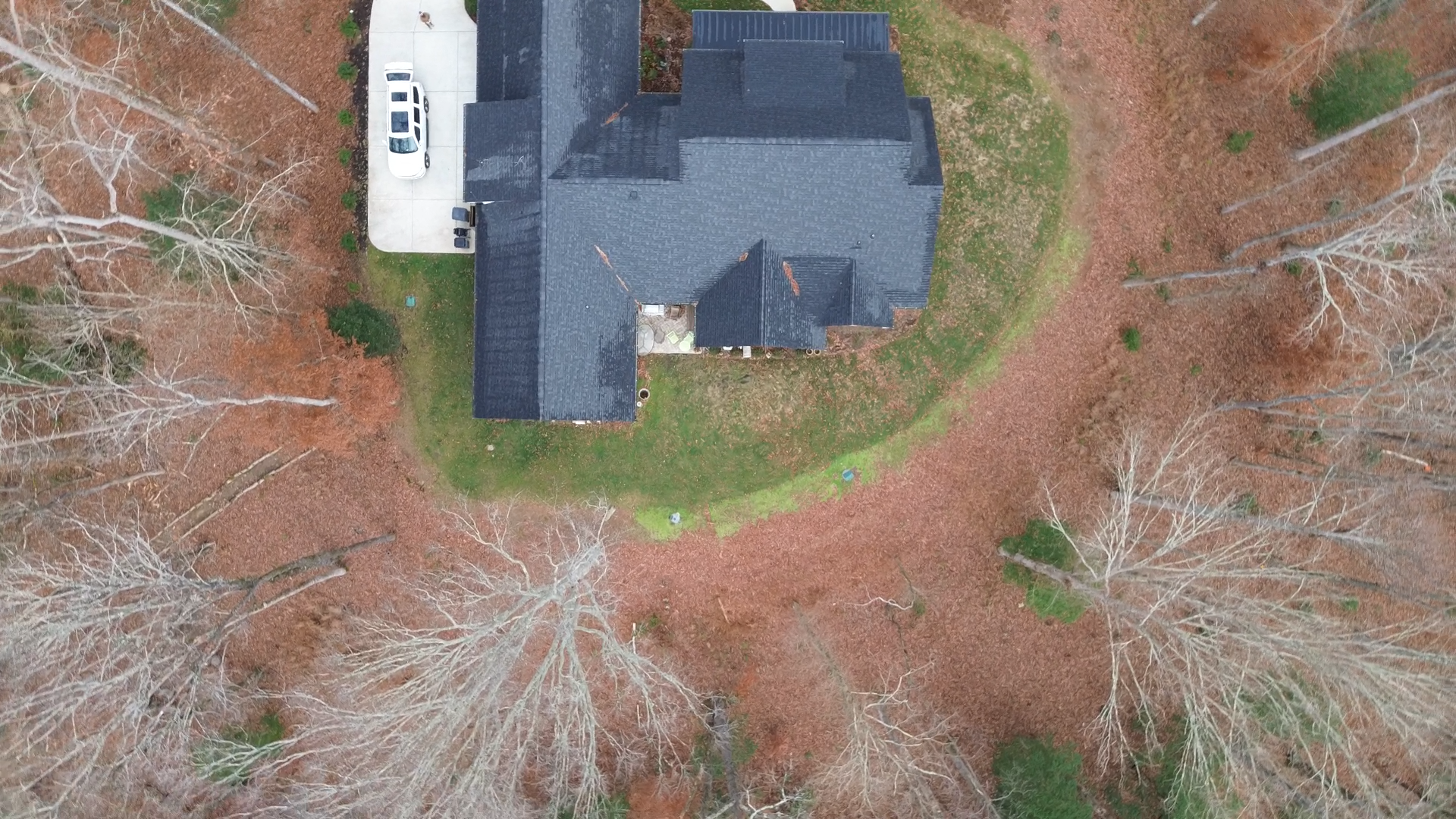
The property was defined by a beautiful wooded backdrop, steep rear slopes, and large areas of turf. The opportunity was to transform an underutilized lawn into a landscape experience that felt integrated with the surrounding forest.
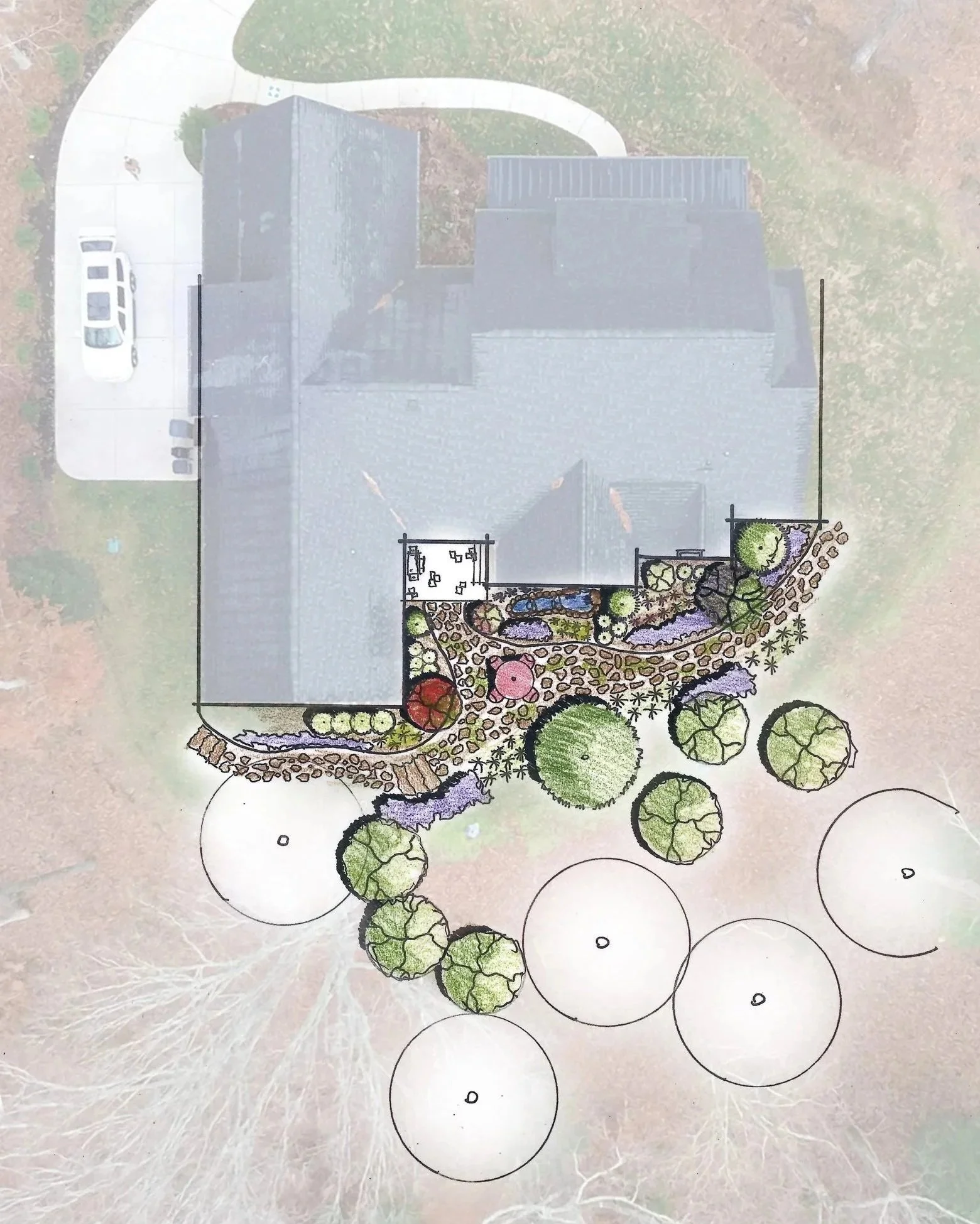
The hand-rendered plan captures the project's guiding idea: a naturalized landscape experience where pathways, water, planting, and moments of discovery unfold gradually within the woodland setting.
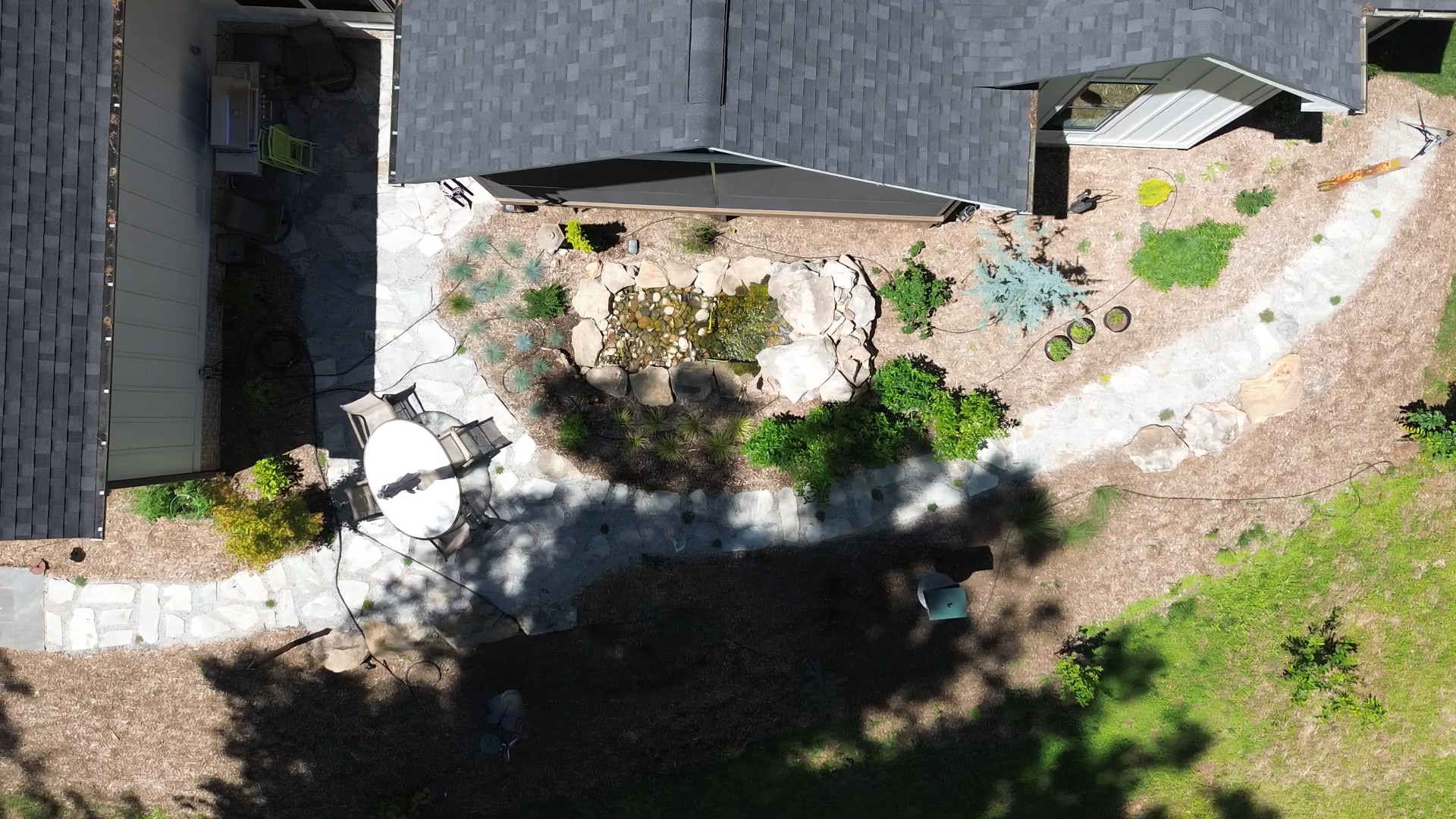
The completed landscape reflects the original design vision, blending natural stone, layered planting, and water into a cohesive woodland retreat that feels both intentional and deeply rooted within its surroundings.
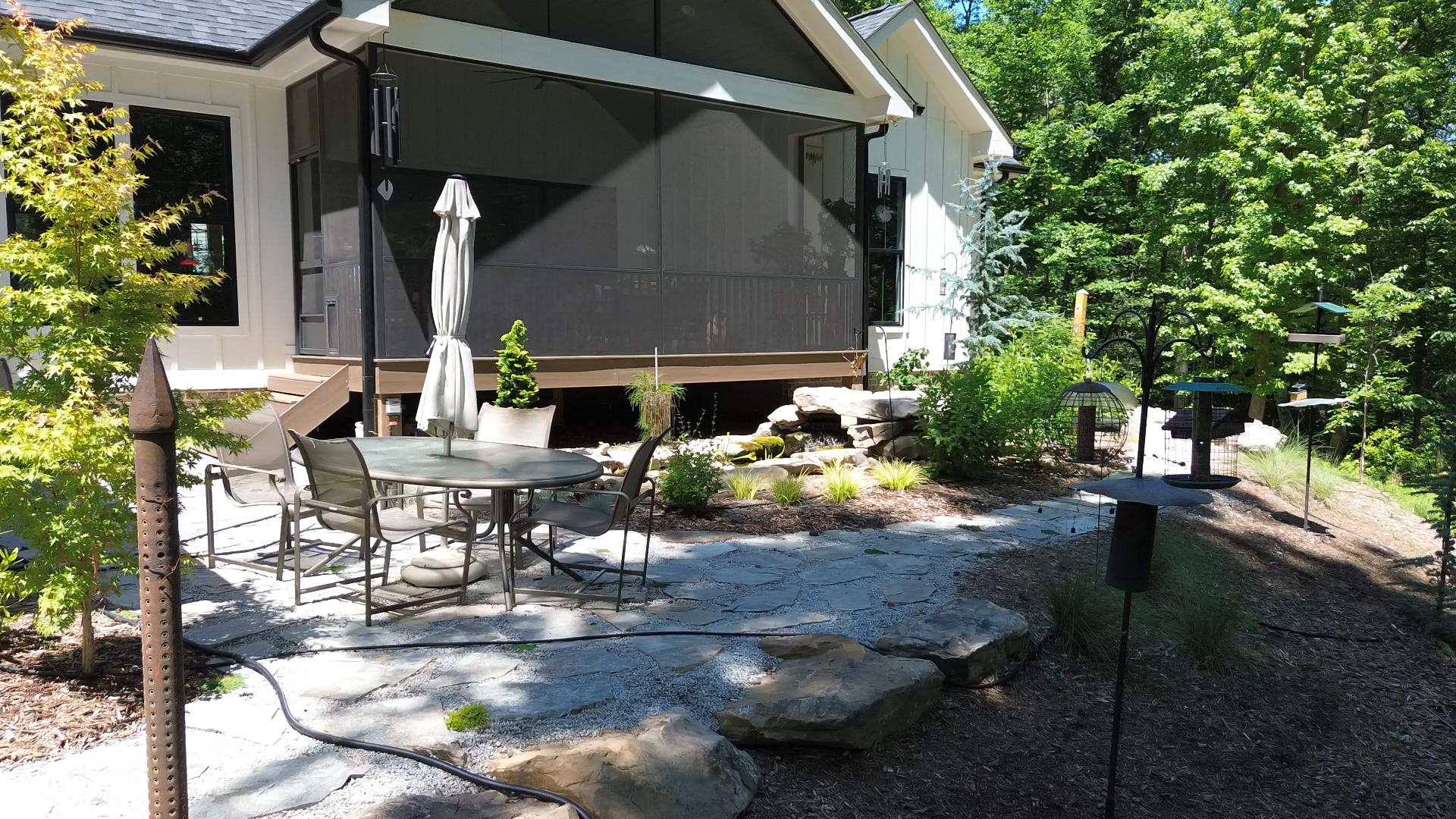
Thoughtfully integrated into the surrounding terrain, the terrace creates a comfortable outdoor destination while maintaining a strong connection to the character of the site.
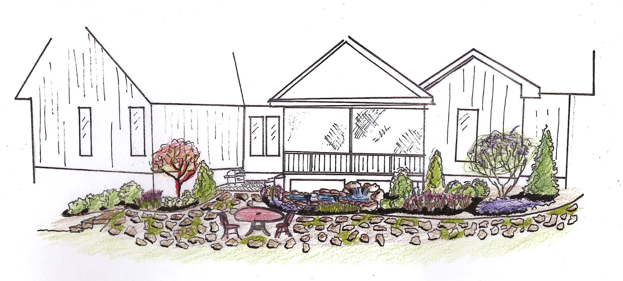
The perspective sketch translated the design intent into a human-scale experience, illustrating how stone, water, planting, and sculpture would come together to shape the character of Woodland Passage.
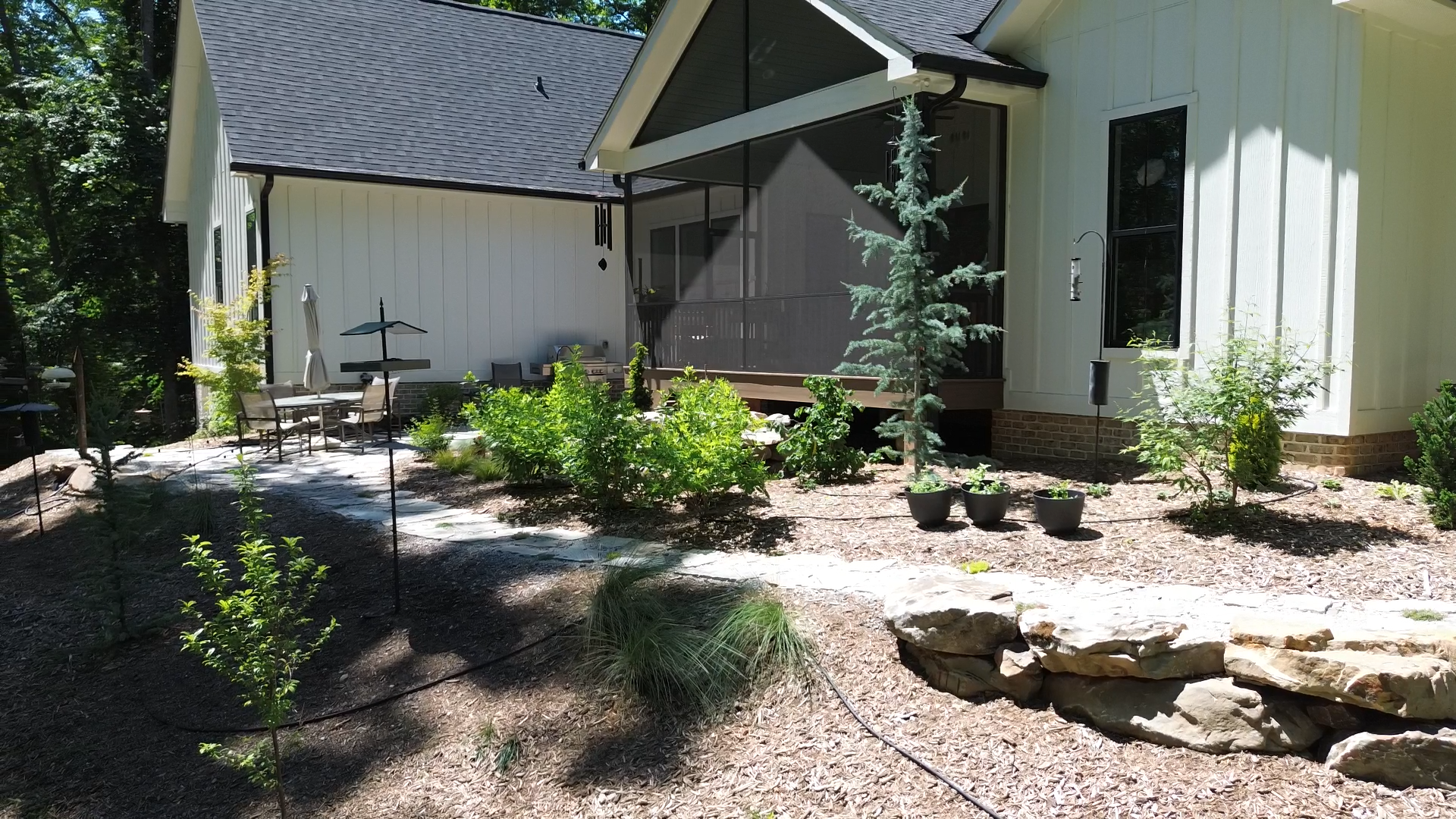
Layered planting, natural stone, and subtle grade transitions help the landscape feel rooted within its surroundings, creating a seamless connection between home and forest.
From Vision to Reality
The best landscapes are not simply installed—they are revealed. This film follows the evolution of Woodland Passage from concept to completion, illustrating how thoughtful design can transform a site into an experience.